LPG Tanks
- LPG tanks—above ground or underground, horizontal or vertical—are available in various capacities to suit different sites and demand levels.
- They come equipped with essential safety accessories compliant with pressure-equipment standards. Systems can also include vaporization, pressure control, alarms, and explosion-prevention features for high-demand or limited-space installations.
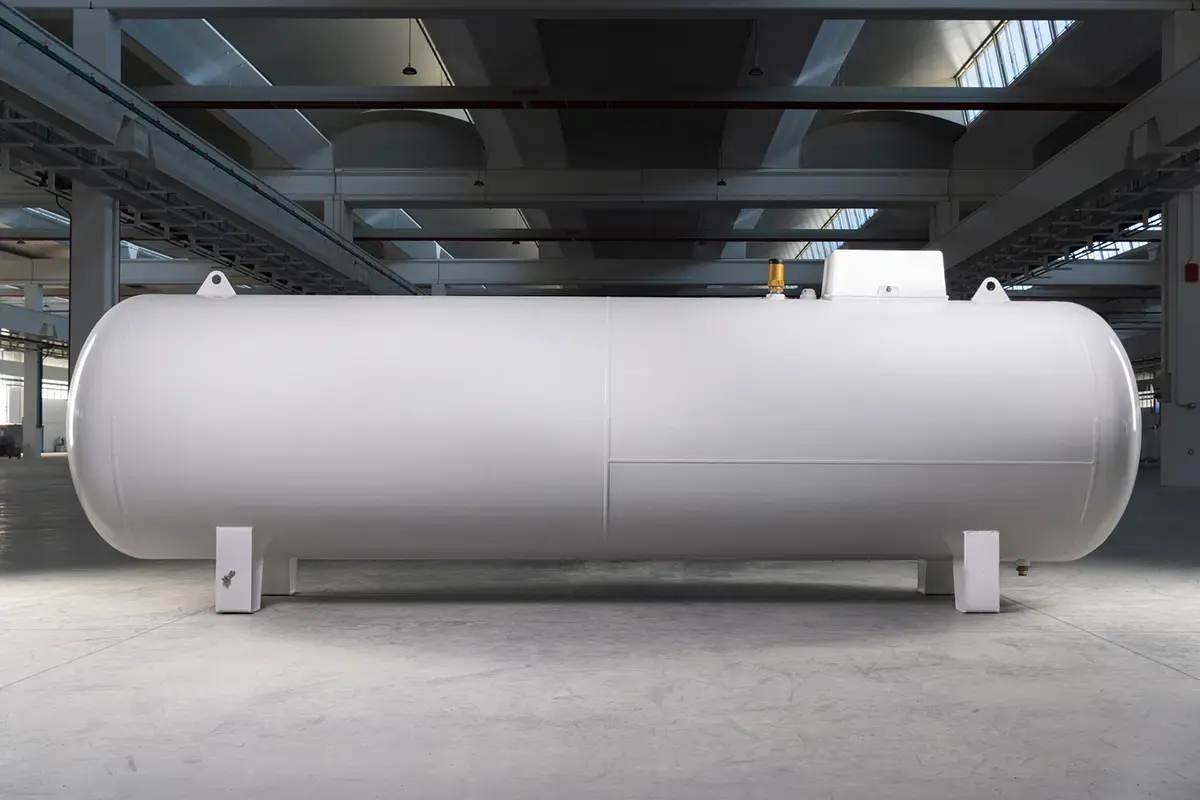
Horizontal above ground tanks
The LPG storage tanks are manufactured at the A. Merloni Plant in Matelica (Mc) Italy, in accordance with the European Directive 2014/68 / EU (PED) according to the Harmonized Standards EN 12542: 2020 and 13445: 2021.
Operating temperature -40° + 50° C
For optimal protection from the aggression of climatic agents, the Above Ground tanks are protected by a two-component epoxy galvanizing primer and subsequent finishing with white epoxy-polyurethane paint for a minimum total thickness of 120µm.
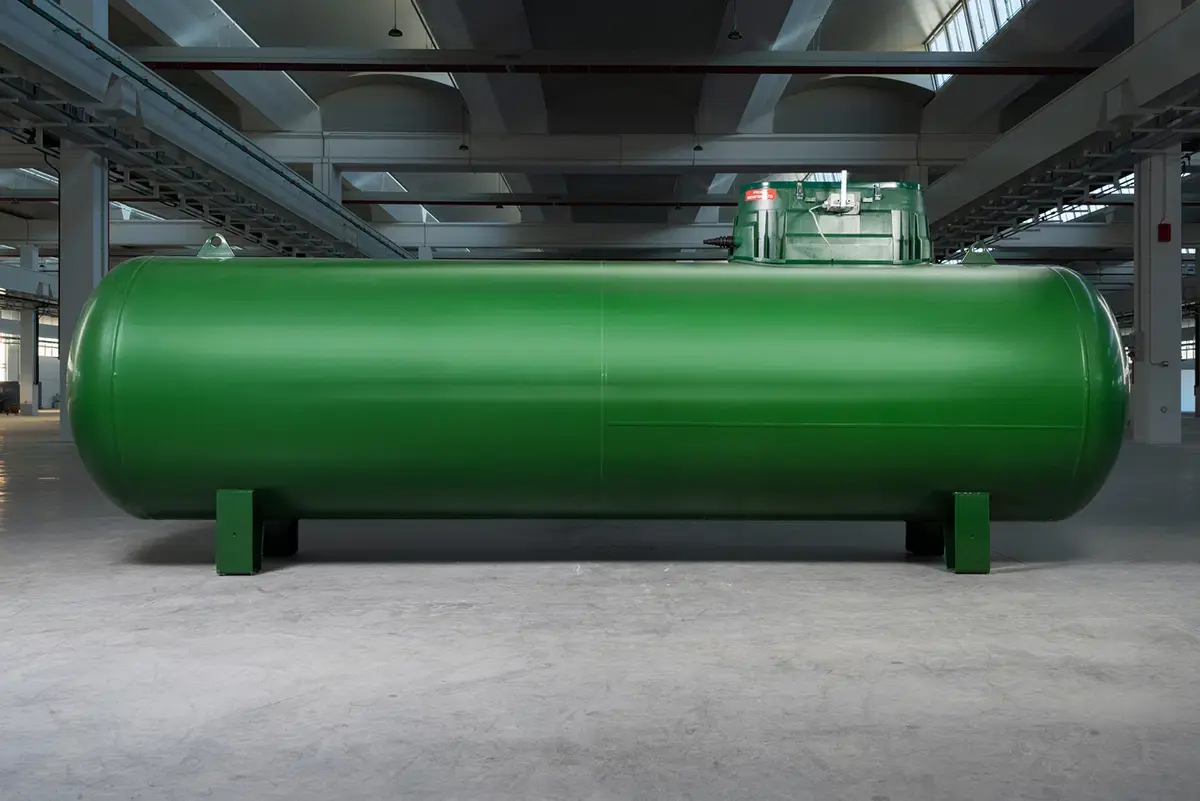
Horizontal under ground tanks
The surface protection of the tank against the corrosive action of the chemical and physical components that are typical of the installation site is guaranteed by a protection system against corrosion, created using a layer of epoxy paint > 500 µm (Passive Protection) combined with magnesium anodes (Active Cathode Protection).
This creates an electrochemical protection system, sizes so as to be able to protect the pressurized body against corrosion for years.
If the housing is not optimum or to prevent possible damage to the coating during handling, a customized accessory is available, known as a “Pouch” to wrap the whole surface of the tank and provide additional protection.
Pipe Network
Feature
- Typical gas use
- Strength & pressure
- Corrosion behavior
- Installation style
- code considerations
Carbon steel pipe (black steel)
- Interior and aboveground NG/LPG building piping, risers, meters.
- Very high; easily covers NFPA 54 building pressure ranges.
- Can corrode; needs coating or cathodic protection when buried.
- Rigid threaded or welded system; more fittings and labor
- Primary “default” material in NFPA 54 for many applications.

PE/“HDPE” gas pipe (plastic)
- Underground NG/LPG mains and service laterals to buildings.
- Adequate for low/medium underground distribution pressures.
- Immune to soil corrosion; no cathodic protection needed.
- Flexible coils, long runs with fusion joints, specialized tooling
- Limited mainly to underground service; listed pipe, fittings, and risers required.

Copper pipe/tubing
- Selected low-pressure interior LPG/NG where permitted.
- Good for low/medium pressure branches and appliance lines
- Naturally corrosion resistant but sensitive to sulfur in gas.
- Bendable tubing with flared/brazed joints; careful routing needed.
- Allowed only where gas composition and local codes permit copper.

PRESSURE REGULATOR & METERING STATION
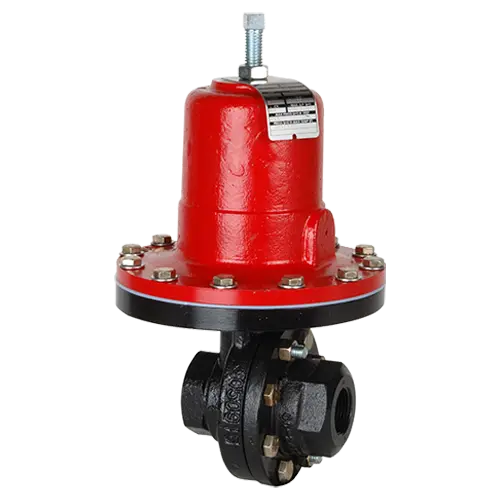
Gas pressure regulators
are safety devices that reduce high or variable LPG and natural gas pressure to a stable level suitable for downstream piping and appliances. By using an internal spring, diaphragm, and valve, they automatically keep outlet pressure within a safe range, even when inlet pressure or demand changes.Pressure Regulating and Metering Stations (PRMS)
are complete skids that reduce gas pressure and measure gas flow for large users and networks. They are used at city gate stations, industrial plants, and large commercial or residential complexes for both natural gas and high-capacity LPG/air or LPG vapor systems.
Gauging & metering
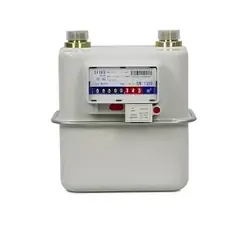
Gas Meter
A gas meter measures how much gas is flowing or consumed so that the system can be controlled safely and billing can be accurate. The main types you mentioned (diaphragm, turbine, rotary, ultrasonic) use different measurement principles and are chosen based on flow rate, pressure, accuracy, and application.
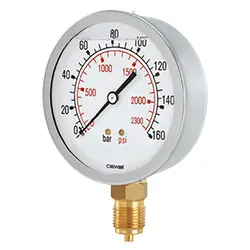
Pressure Gauge
A pressure gauge is an instrument used to measure and display the pressure of a gas or liquid in a system so operators can check that pressure is within a safe and correct range. It helps detect problems such as overpressure, underpressure, or leaks, which is important for safety and for efficient operation of equipment in gas, steam, hydraulic, and many other systems.
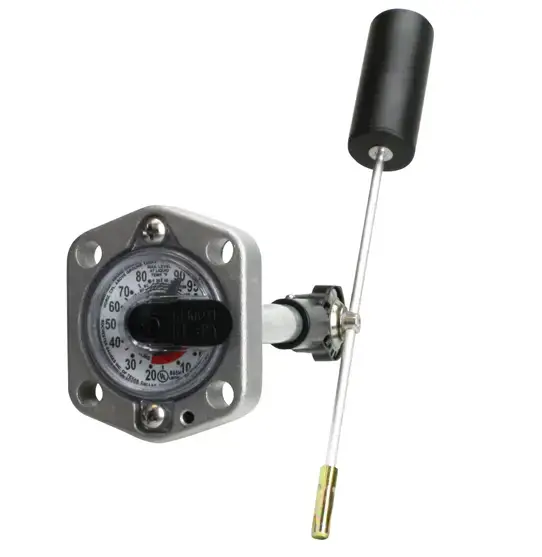
Level Gauge
A level gauge inside an LPG tank is a device that shows how much liquid gas is inside the tank, usually as a percentage of its total capacity, so users can refill on time and avoid overfilling and unsafe conditions. It is critical for safety and operation because LPG expands strongly with temperature and tanks must never be filled to 100% liquid level.
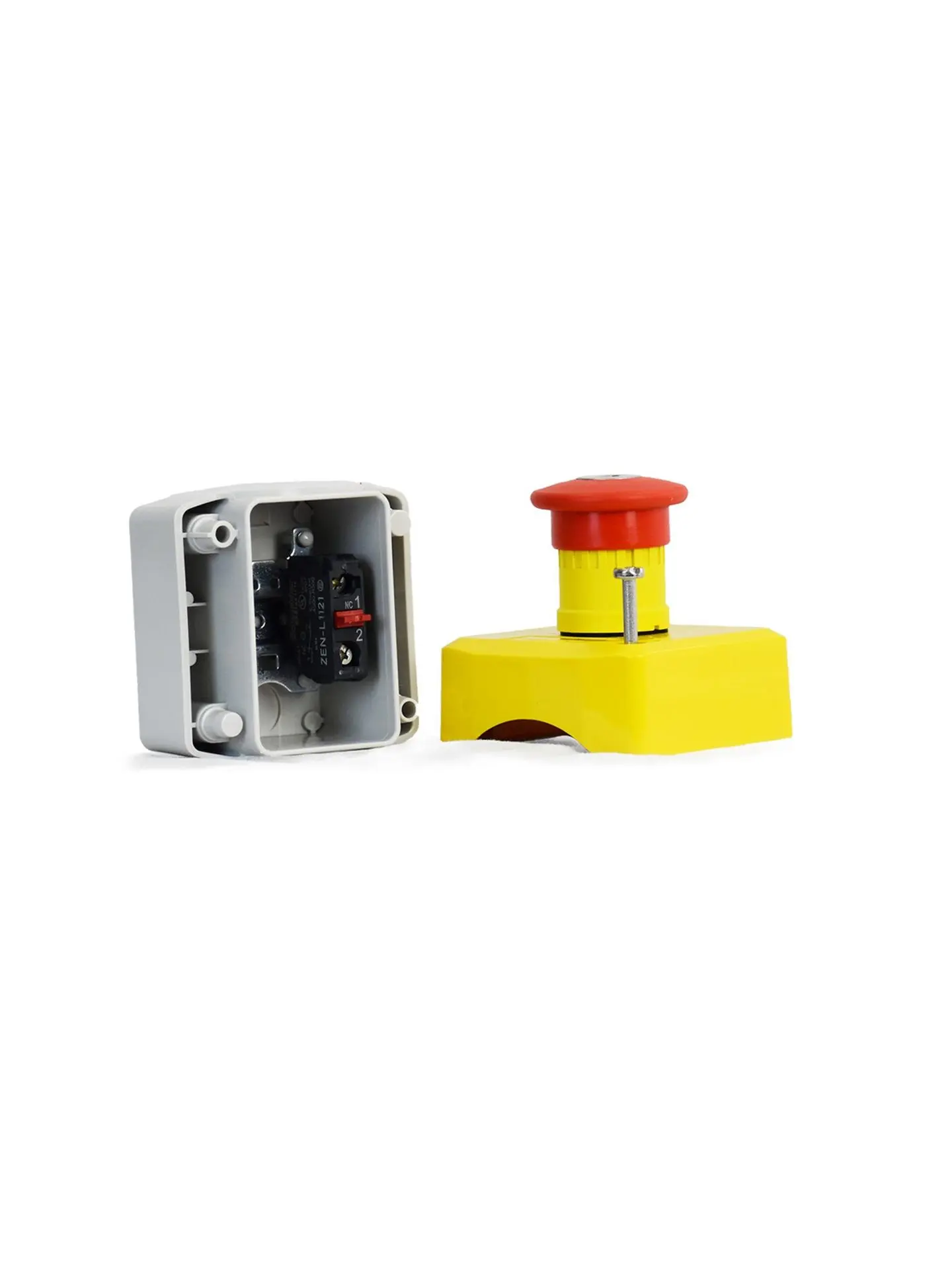
Emergency Push Button
An emergency push button in a gas system is a manual safety device used to immediately stop gas flow or shut down related equipment during an emergency such as a leak, fire, or spill.
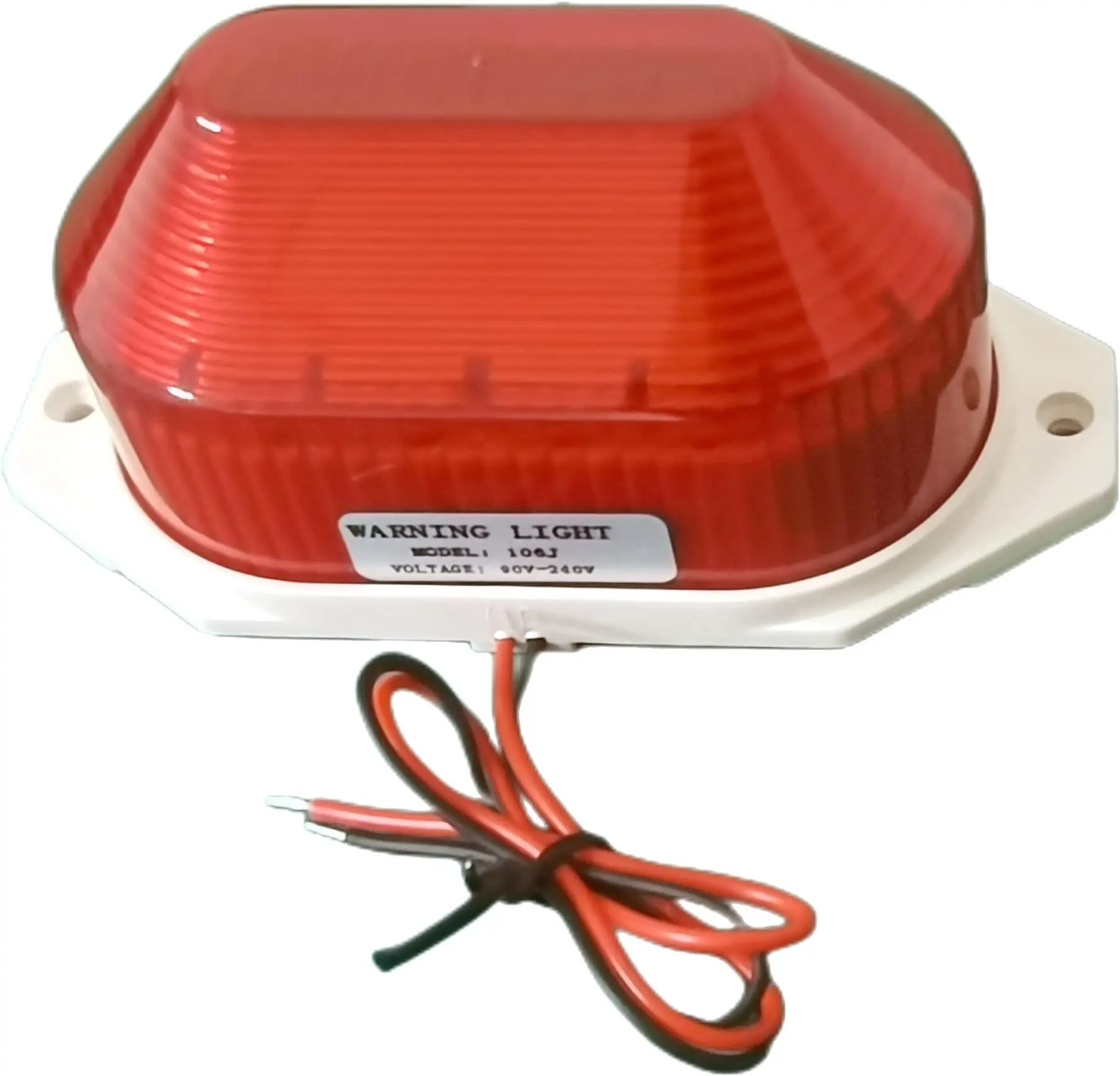
Sirne
A siren in a gas
system is an audible (often also visual) alarm that warns people when gas
detectors sense a dangerous leak or gas concentration.
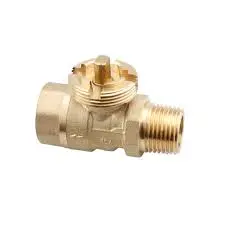
Solenoid Valve
Normally closed
automatic solenoid valves for gas, which open when the coil is electrically
powered and close when the power is cut off.
P.max 3-6 bar -
DN 32-40-50- P.max 0.5-1-3-6 bar - DN 65-80-100-125-150 ATEX ZONES 2,22
Detection system
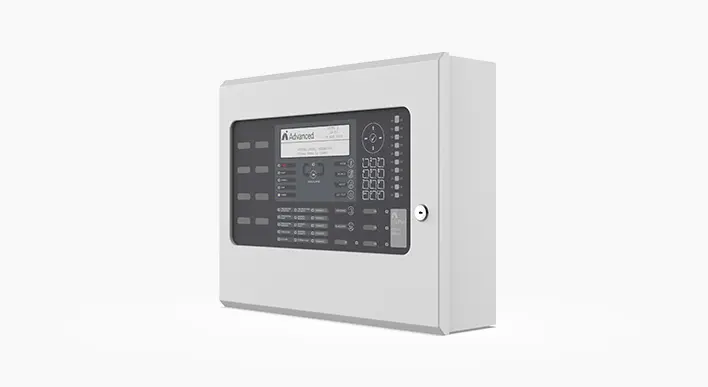
Control Panel
The control panel is
the central brain of the system, receiving signals from gas detectors,
activating alarms, and controlling the gas shut-off valve according to preset
safety thresholds.
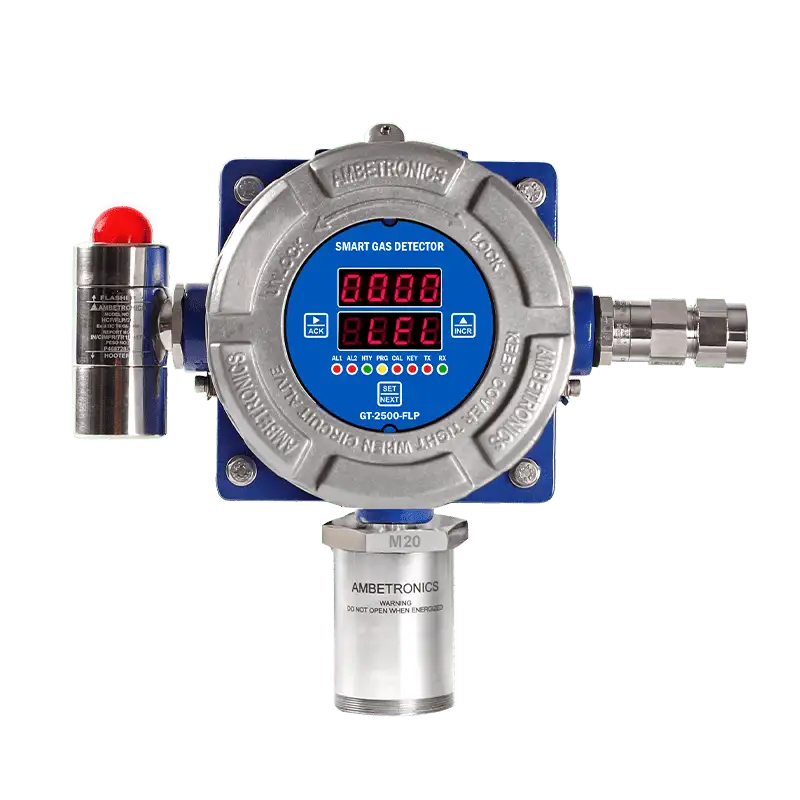
Gas Detectors
Gas detectors are
placed in risk areas to continuously measure gas concentration and send signals
to the control panel when levels approach or exceed safe limits.
Contact Delta Plus Trading Co today
to discuss your
LPG system requirements and receive professional consultation.